A B C D E F G H I J K L M N O P Q R S T U V W X Y Z
Agribio Database   Language : BM |  EN
Please enter the scientific name or local name
 
ZoneSpices
Reference IdACP0128
Species Name

Cinnamomum porrectum (Roxb.) Kosterm.

 
Family NameLauraceae 
Local NameMedang sarsi 
Photo  
Traditional UsageFlavouring food and oil extraction 
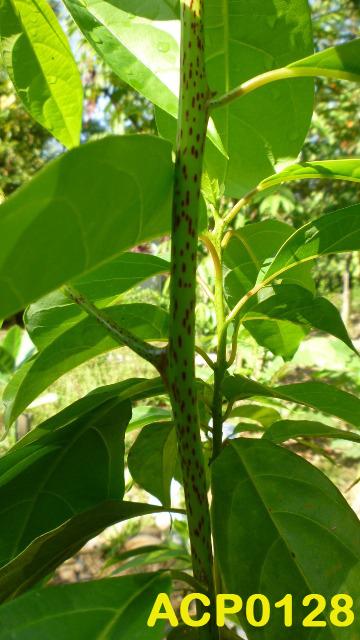
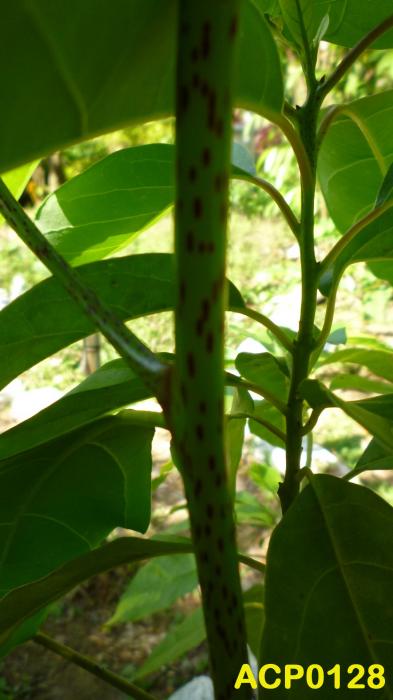
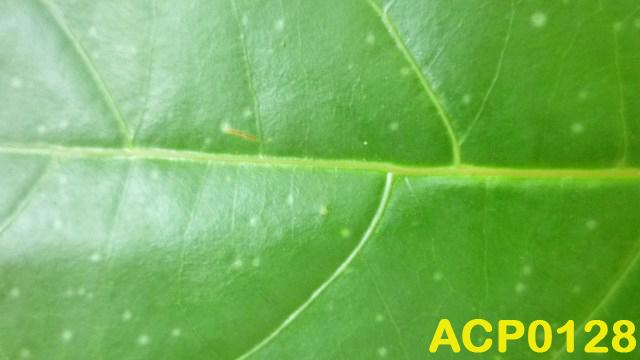
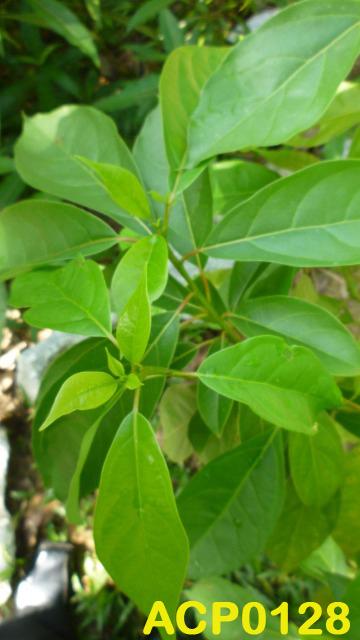
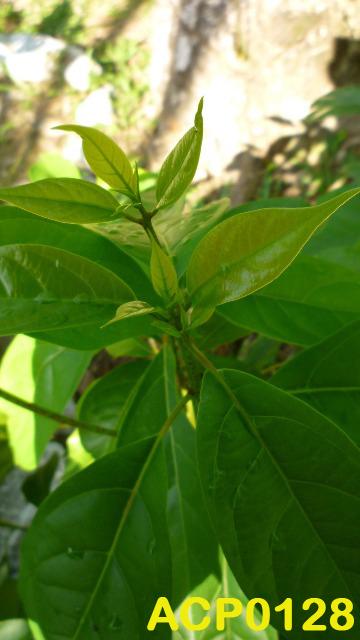
DescriptionMorphology: Moderate tree, up to 37 m tall. Leaves simple and alternate, penni- to tripli-veined and glabrous. Stipules absent. Flowers white-yellow, in the panicles. Fruits about 10 mm in diameter, green-grey and fleshy drupe.Ecological distribution: Found in South East of Asia like India,Peninsular Malaysia and Borneo. Common in undisturbed to disturbed mixed dipterocarp and sub-montane forests. Best growth on hillsides and ridges in various habitat such as sandy to clay soils,ultrabasic and limestone.  
Ecology Distribution 
Conservation StatusLeast Concerned 
Reference 
 
ZoneHerbs
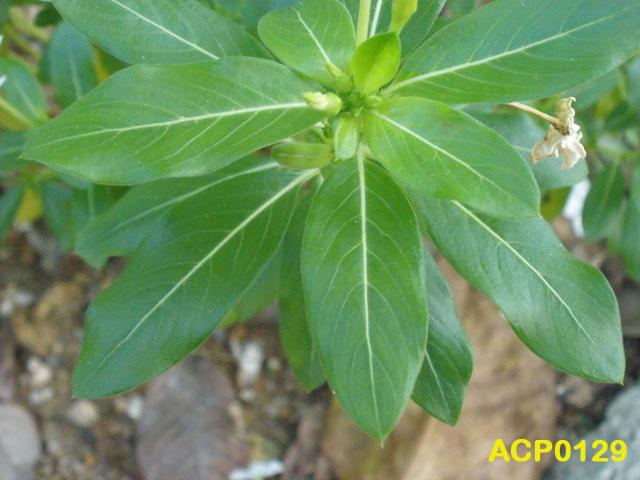
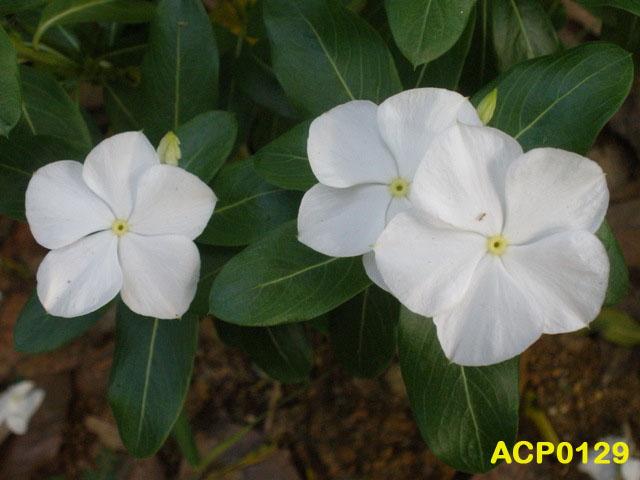
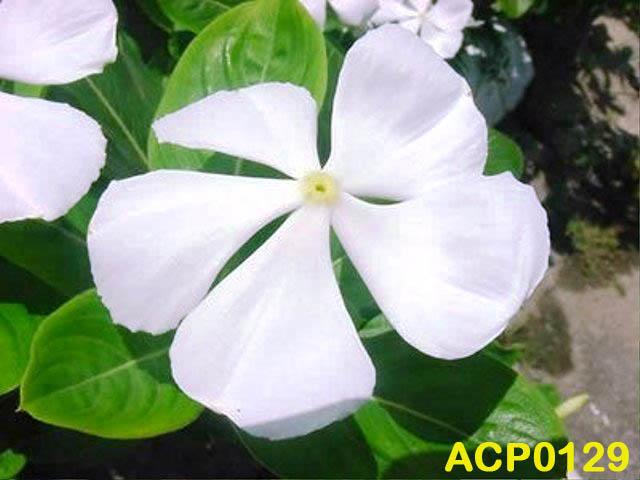
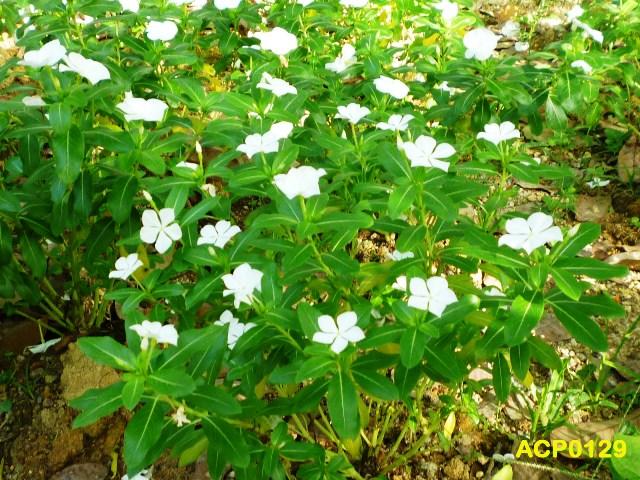
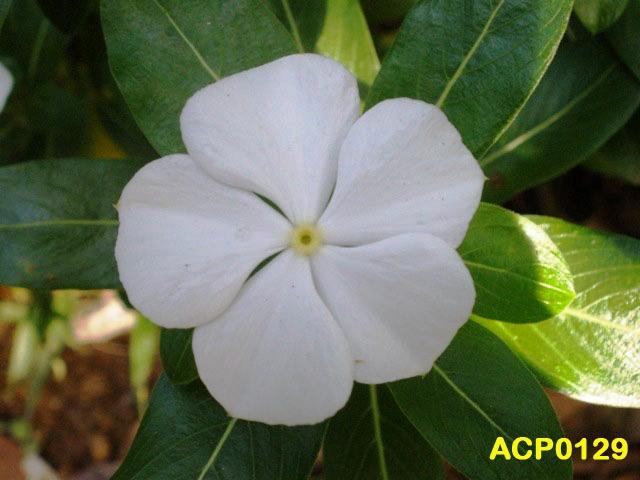
Reference IdACP0129
Species Name

Catharanthus roseus Linn.

 
Family NameApocynaceae 
Local NameKemunting cina 
Photo  
Traditional UsageFever, as a tonic and anti canser  
DescriptionMorphology: Small tree, about 1m. Leaves in a whorl with entire margin. Flower is solitary with 5 petal or sometime in a small inflorescens. There are several color of petal which are purple or white. Ecological distribution: Thought to be from Central of Asia. Widely distributed in tropical area. Best growth on sandy place. 
Ecology Distribution 
Conservation StatusLeast Concerned 
Reference 
 
ZoneHerbs
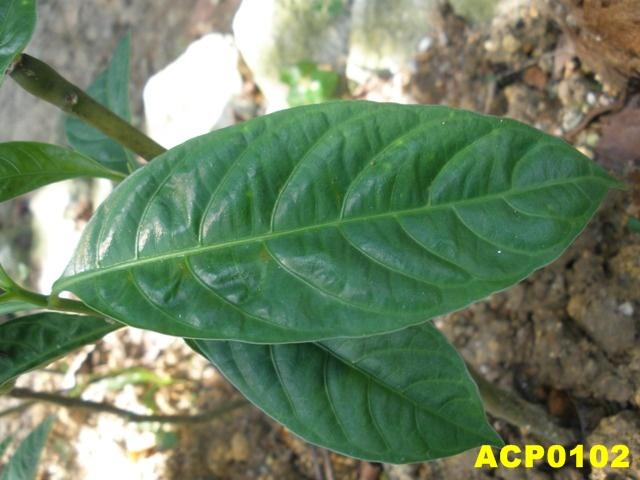
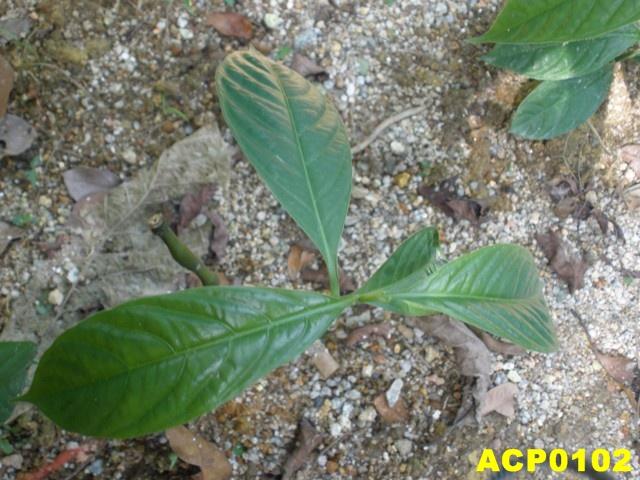
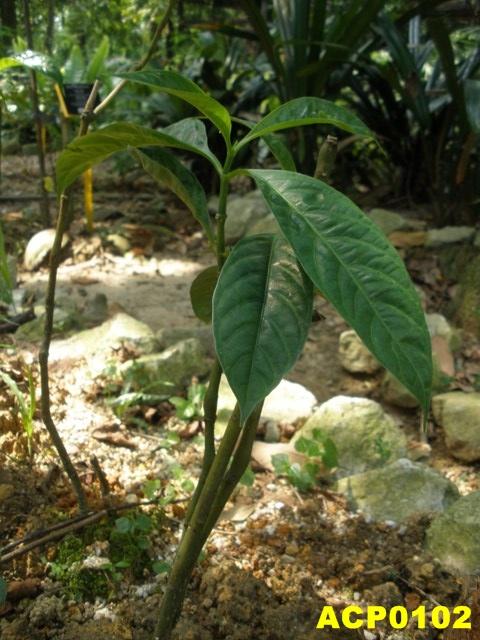
Reference IdACP0102
Species Name

Chroesthes longifolia (wight) B. Hansen

 
Family NameAcanthaceae 
Local NamePeluruh 
Photo  
Traditional UsageFamily Planner 
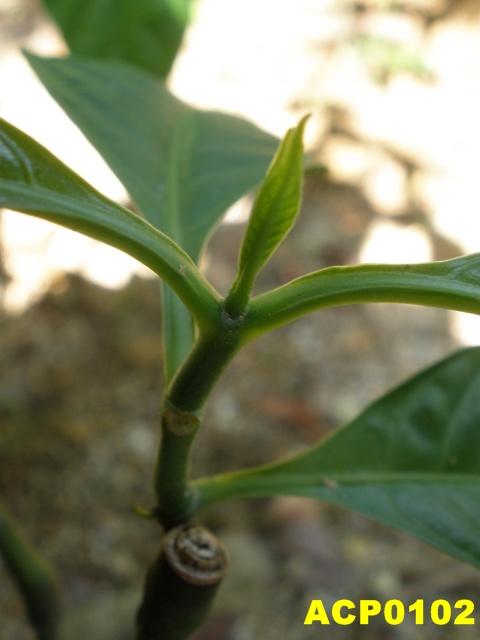
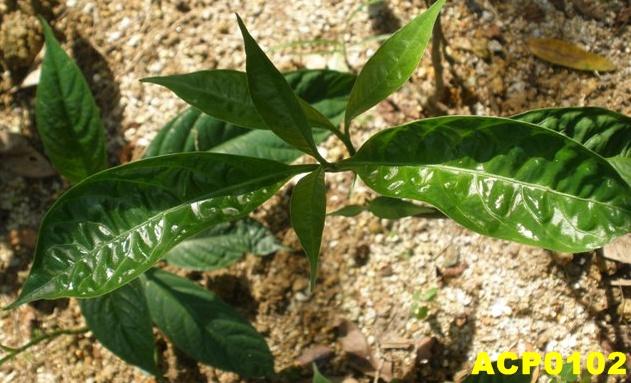
DescriptionMorphology: Shrub to 1 m tall. Leaves lanseolate, acuminate at the tips, 16-24 cm long, 4 cm width and 2 cm long of petiole. Flowers in racem with 4 cm corolla.  
Ecology DistributionBest growth on lowland forest and widely distribution in the tropics region  
Conservation StatusLeast Concerned 
Reference 
 
ZoneHerbs
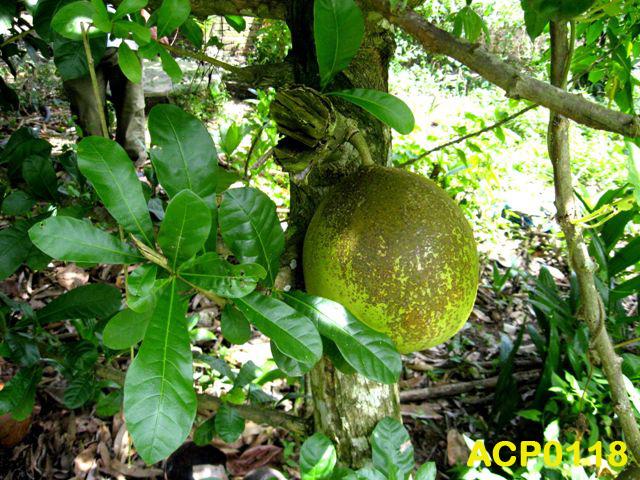
Reference IdACP0118
Species Name

Crescentia cujete Vell.

 
Family NameBignoniaceae 
Local NameCalabash Tree, Gourd 
Photo  
Traditional UsageCleans wound, headache, snake bite 
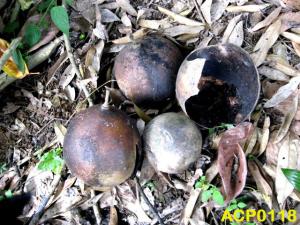
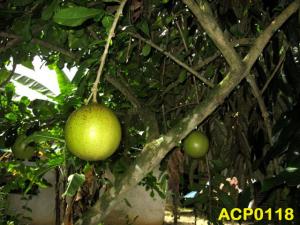
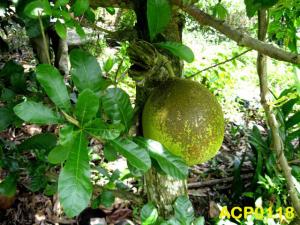
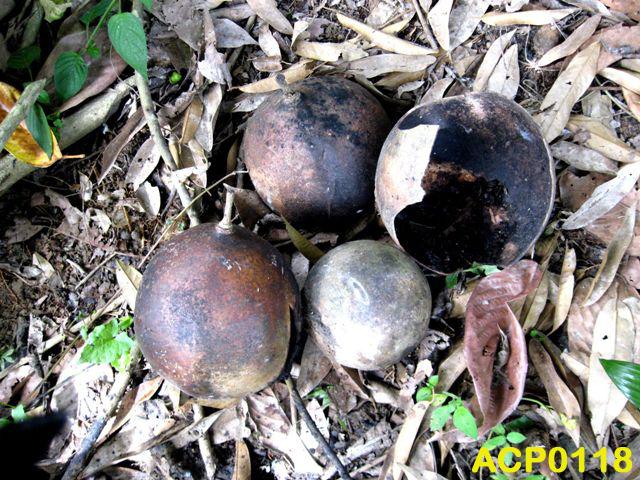
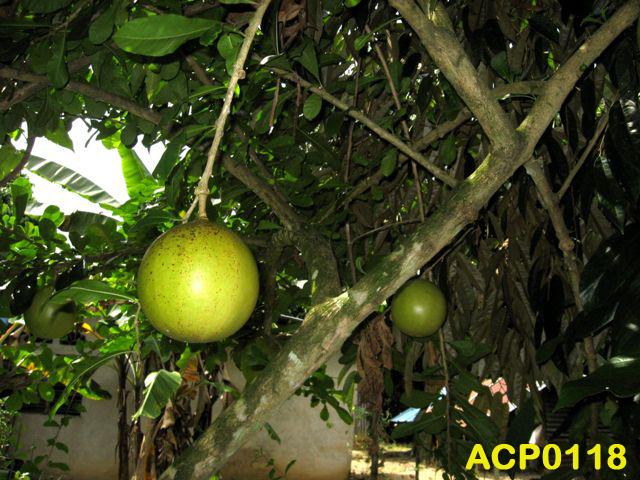
DescriptionMorphology: Tree to 10 m tall and 30 cm diameter breast height. Leaves of various sizes within each fascicle, simple, obovate, the tip obtuse to acute, the base attenuate and the petiole absent. Flowers with a musty odour. Fruit a pepo or calabash, spherical to ovoid-ellipsoid, 13-20 cm in diameter,seeds small, thin, wingless and scattered through the pulp of the fruit.  
Ecology DistributionFound in the West Indies and Mexico.  
Conservation StatusLeast Concerned 
Reference 
 
ZoneHerbs
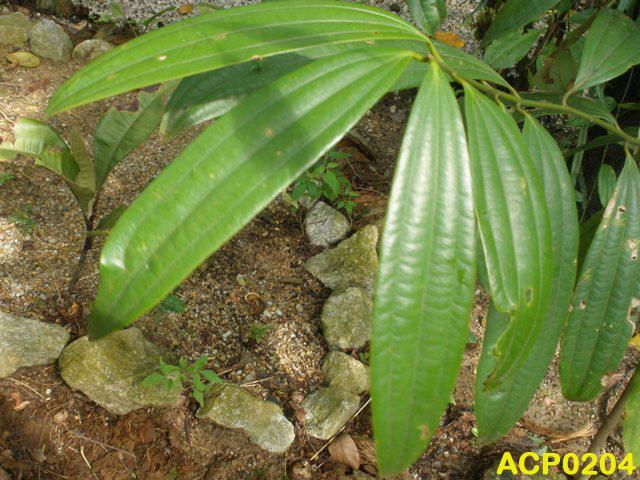
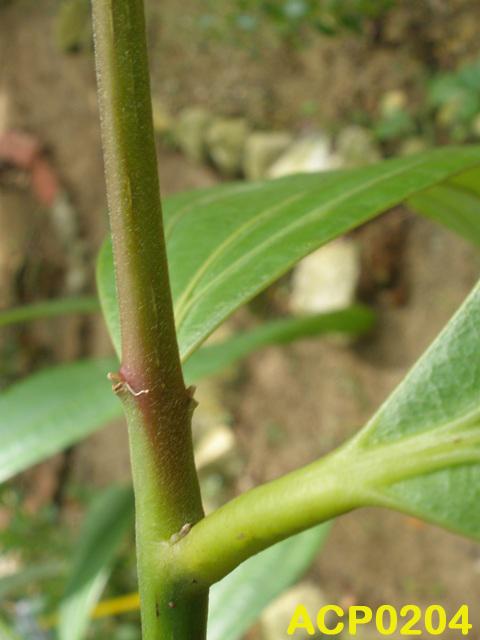
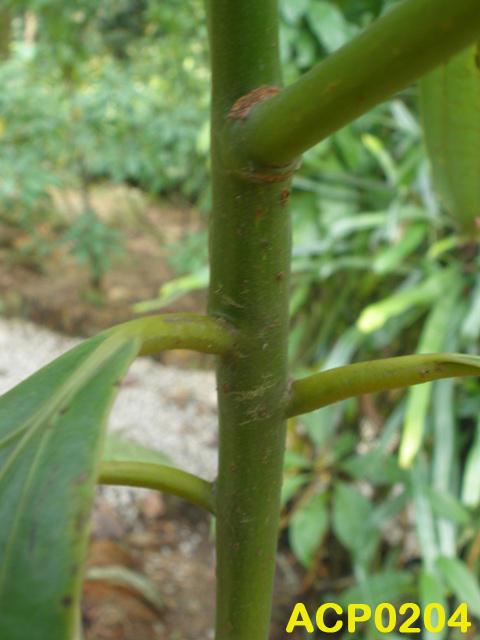
Reference IdACP0204
Species Name

Cinnamomum javanicum Blume

 
Family NameLauraceae 
Local Name 
Photo  
Traditional UsageTonic after childbirth  
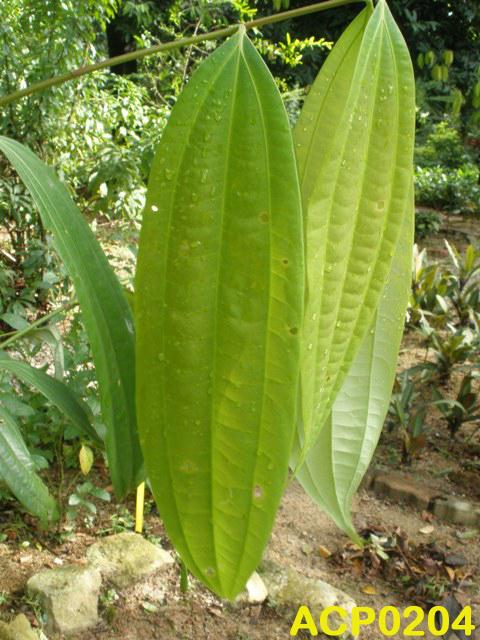
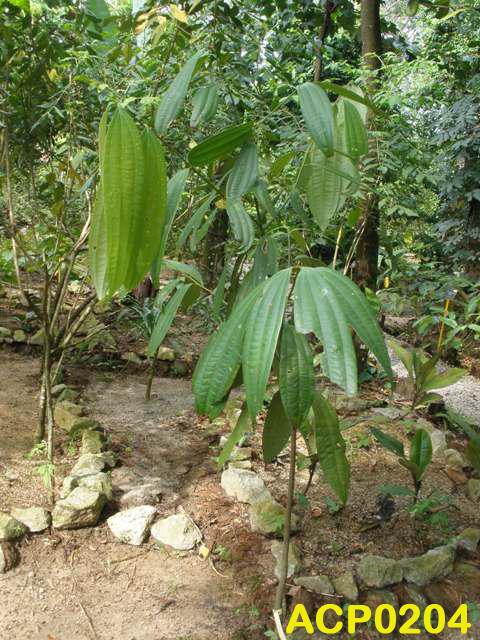
DescriptionMorphology: Moderate tree or shrub with many branches.Leaves elliptic, adaxial surface smooth and tomentose glaucouse in abaxial. Petiol about 0.5 cm long and tomentose. The flowers covered with small hair and oblong. Fruits are semicircle and about 2.5 cm long. Ecological distribution: Originated from Java, can be found in Sumatra and Borneo. 
Ecology Distribution 
Conservation StatusLeast Concerned 
Reference 
 
ZoneHerbs
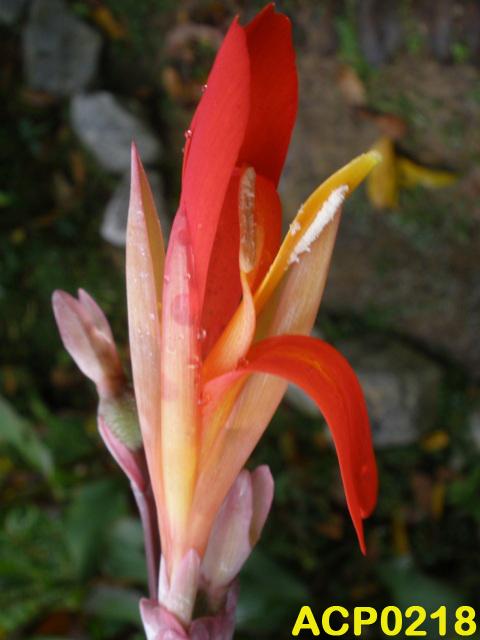
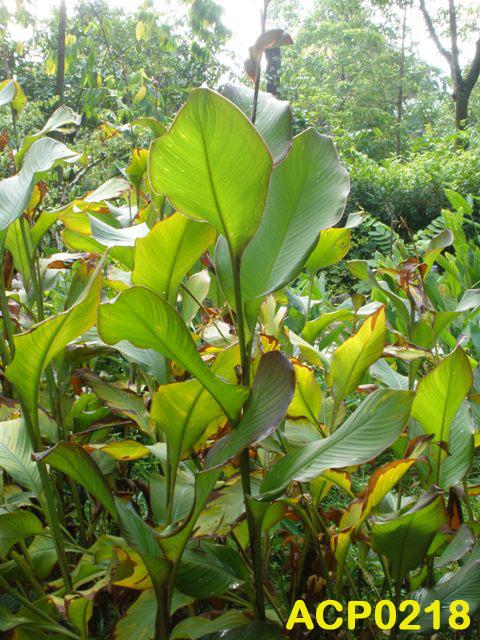
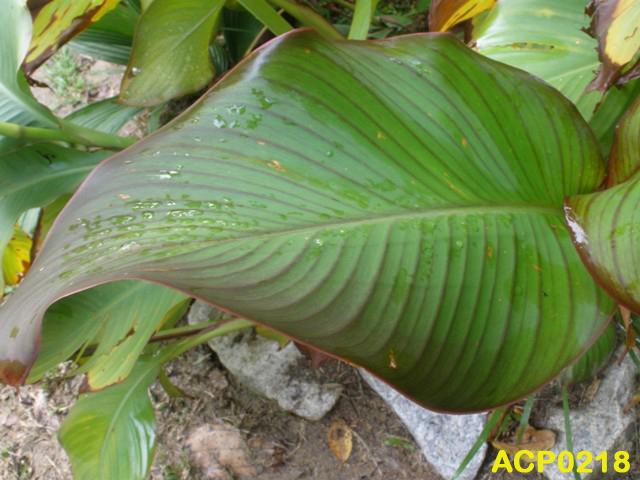
Reference IdACP0218
Species Name

Canna indica L.

 
Family NameCannaceae 
Local Name 
Photo  
Traditional UsageTo cure diarrhoea, itchy and stomachache 
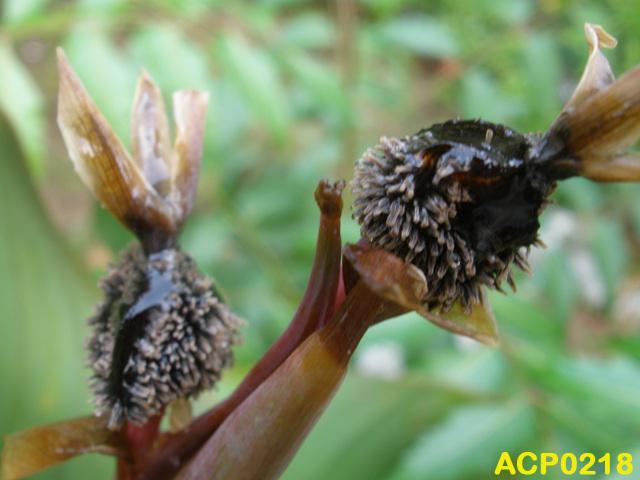
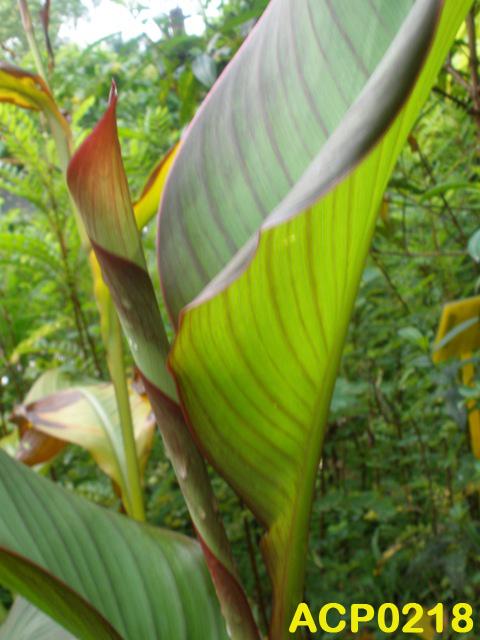
DescriptionMorphology: Herb, up to 2 m height. Reproductive organ is rhizome which growth as a tuber. Leaves alternate, oblong-lanceolate, reddish green or purplish. Flowers are orange at the terminal. Fruits rounded, in a capsule, thorne at outside and blackish when matured. Ecological distribution: Thought to be originated from central of America. Widely distributed up to South America. Mostly cultivated for their tuber and as an ornamental all over the world. Best growth in lowland forest.  
Ecology Distribution 
Conservation StatusLeast Concerned 
Reference 
 
ZoneFerns
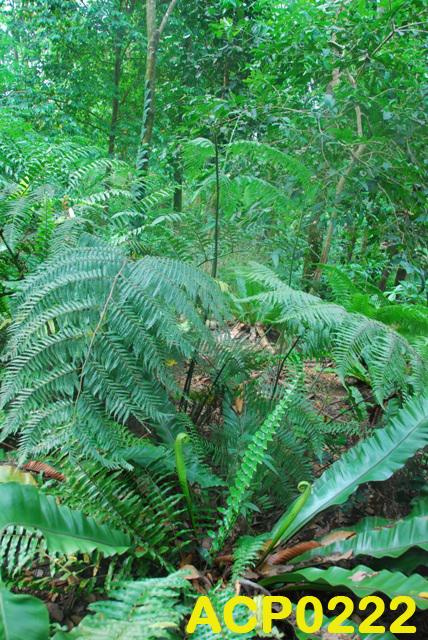
Reference IdACP0222
Species Name

Cibotium barometz (L.) J.Sm.

 
Family NameCibotiaceae 
Local NameGolden chicken 
Photo  
Traditional UsageAs a syptic for bleeding, fainting and ornamental 
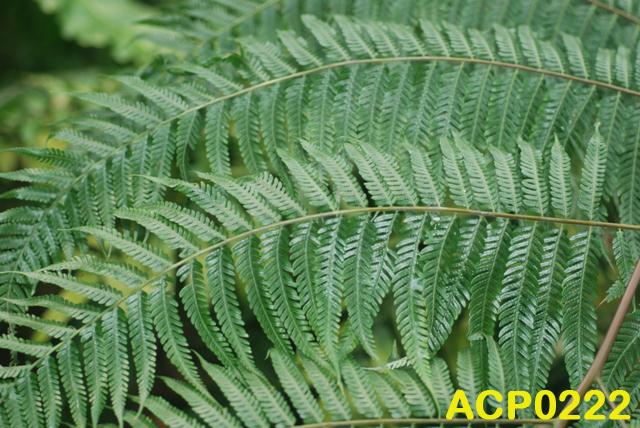
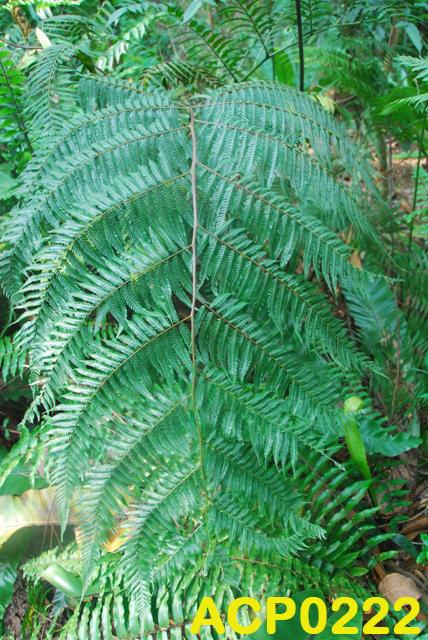
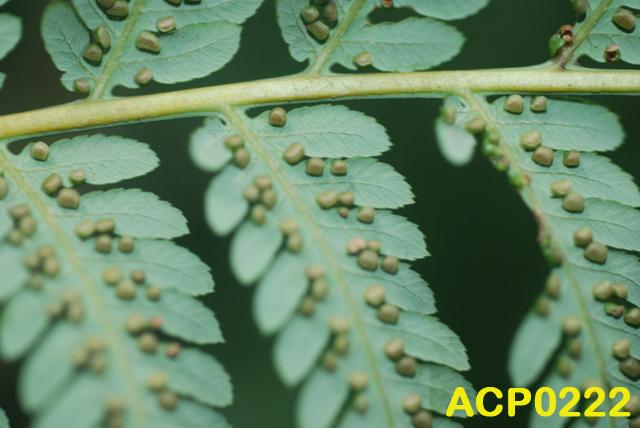
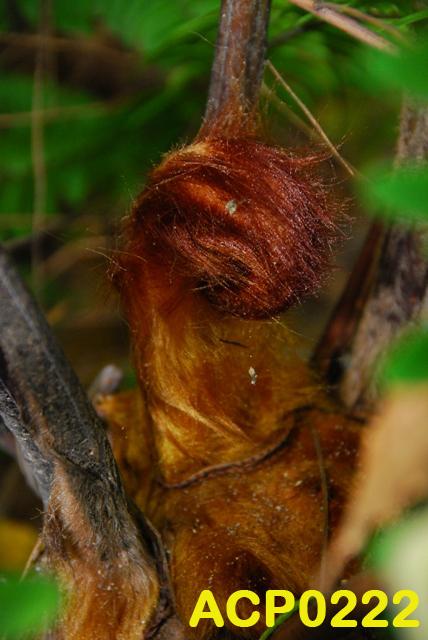
DescriptionMorphology: Tree fern, growth prostrate to form a colonised and reach up to 1m tall. The main trunk apex covered by golden soft hairs like to croziers and young fronds. Lamina bipinnately, ovate to elliptical, lower surface glaucous and upper surface darker green. Rachis are brown and covered by soft hairs. The sori are located at the margin of the pinnules at the lower surface. Ecological distribution: Native to China. Found in western part of Malay Peninsula. Common in Cameron Higlands and Fraser Hill. 
Ecology Distribution 
Conservation StatusLeast Concerned 
Reference 
 
ZoneMedicinal Plant
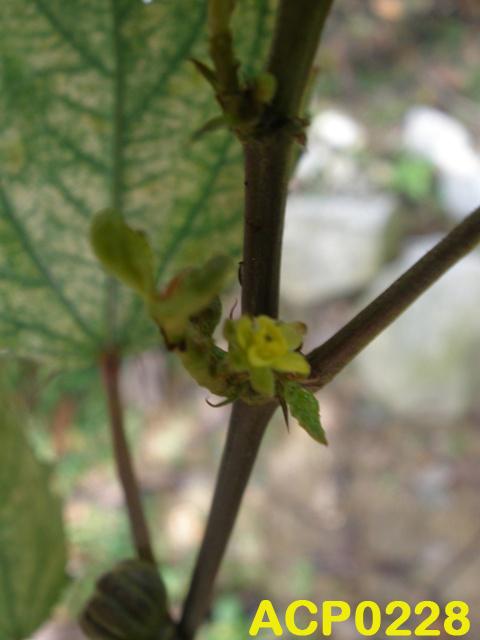
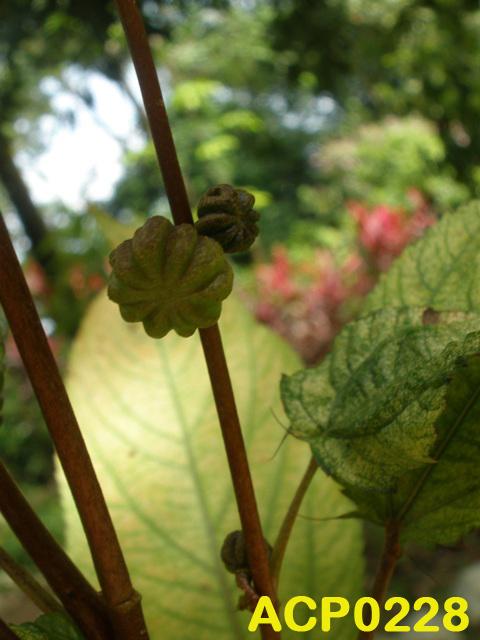
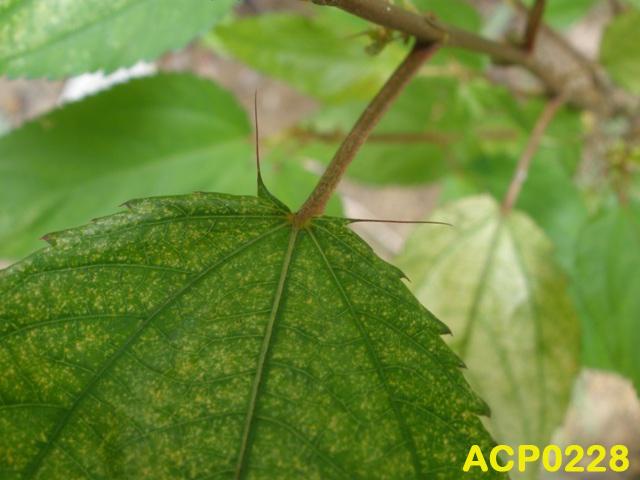
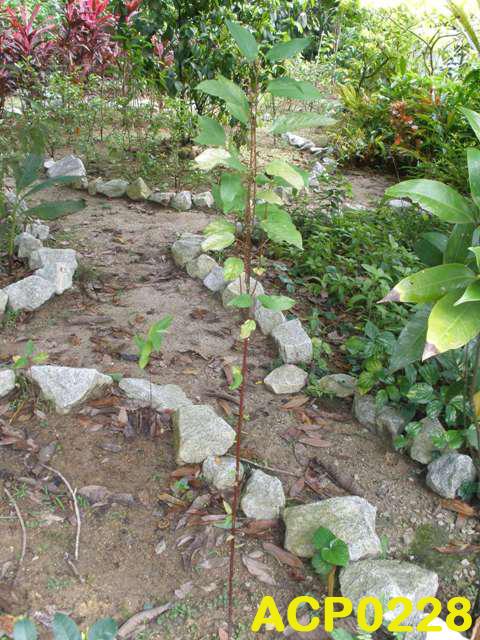
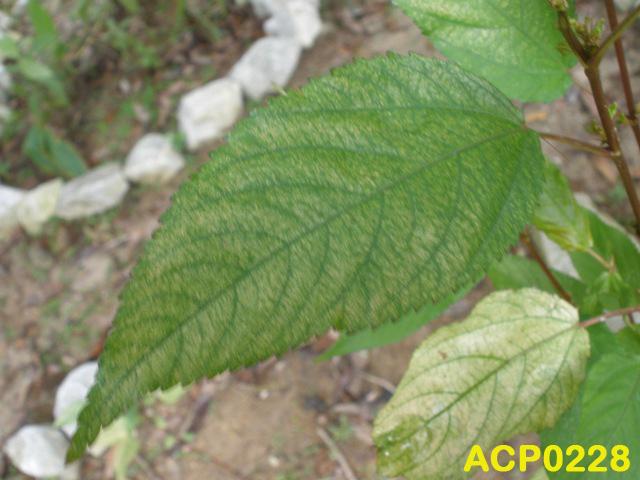
Reference IdACP0228
Species Name

Corchorus capsularis L.

 
Family NameTiliaceae 
Local NameJute plants 
Photo  
Traditional UsageTo cure fever, cought and as a tonic for children 
DescriptionMorphology: Herbs or slightly woody plants, up to 1m tall. Stems are purplish. Leaves lanceolate-acuminate, base rounded with two subrounded projection at the base. Flowers in axillary, yellowish and 0.5 cm long. Capsule are globose to truncate and about 1cm long. Ecological distribution: Though to be originated from India. Found in western areas in Peninsular Malaysia such as Perak. Best growth on lowland forest, wet and open places such as on rice paddy-banks or near the settlements. 
Ecology Distribution 
Conservation StatusLeast Concerned 
Reference 
 
ZoneHerbs
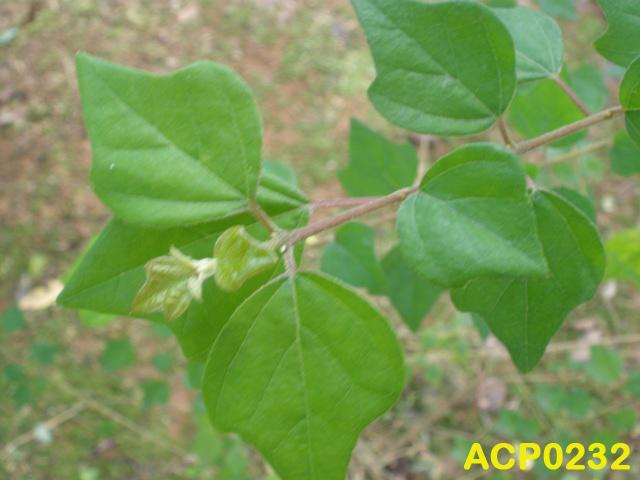
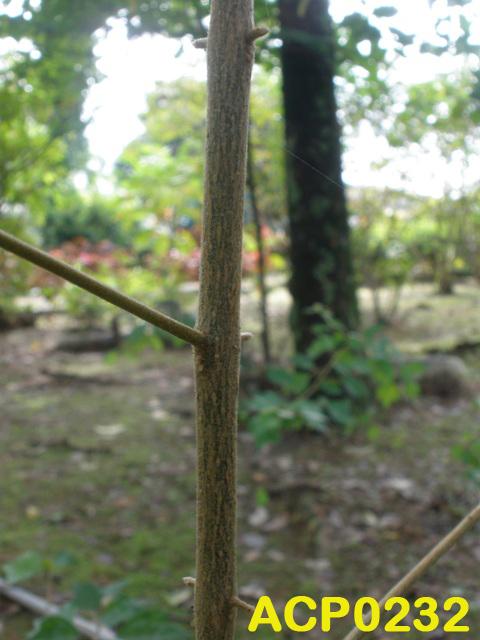
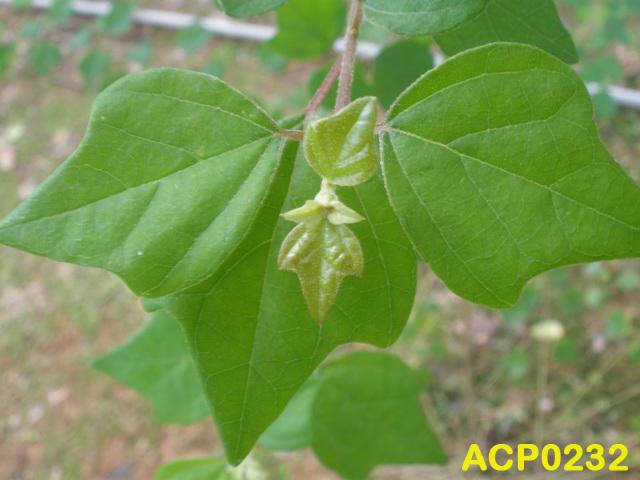
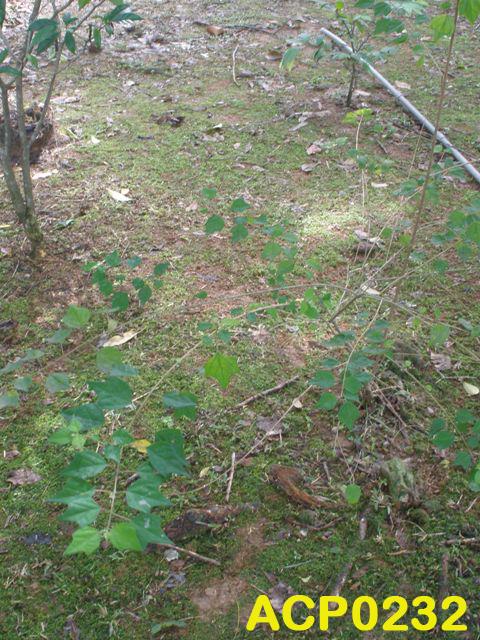
Reference IdACP0232
Species Name

Canthium horridum Blume.

 
Family NameRubiaceae 
Local Name 
Photo  
Traditional UsageDiarhhoea, fever and wound on foots 
DescriptionMorphology: Spiny shrub, understorey trees up to 5-10 cm tall. Stem covered by small thornes which exit from leaf axill. Leaves simple, opposite, small hairs, ovate to elliptic, subcoriaceous and base cuneat. Flowers yellowish-white in panicle with greenish corolla. Fruits yellowish and drupes. Ecological distribution: Found in Peninsular Malaysia, Thailand, Java Island and Borneo. Common on secondary forest, along the roadside and open area. Best growth on sandy oil and ridges hill. 
Ecology Distribution 
Conservation StatusLeast Concerned 
Reference 
 
Zone
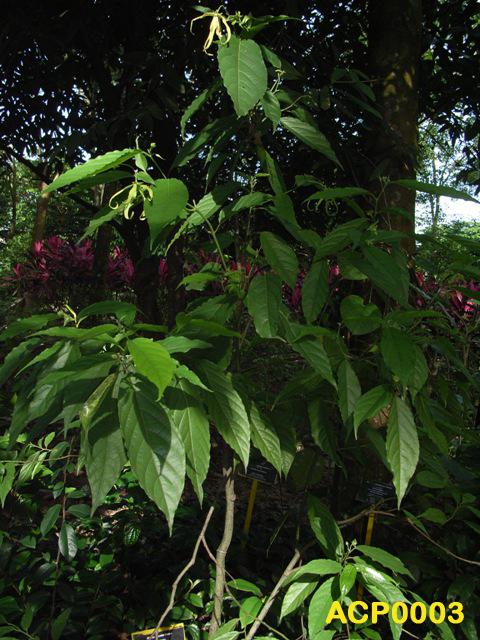
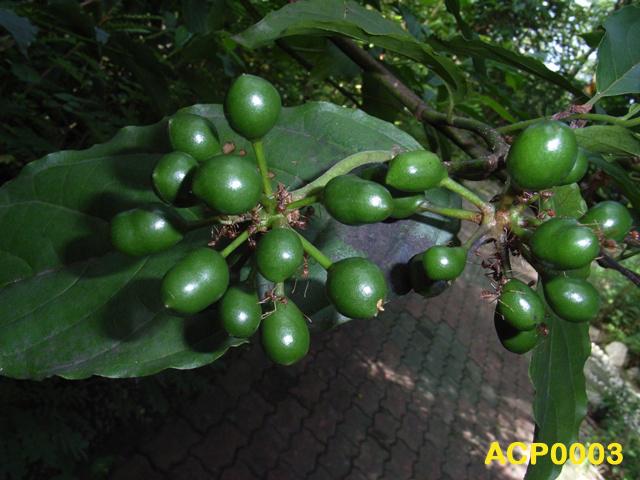
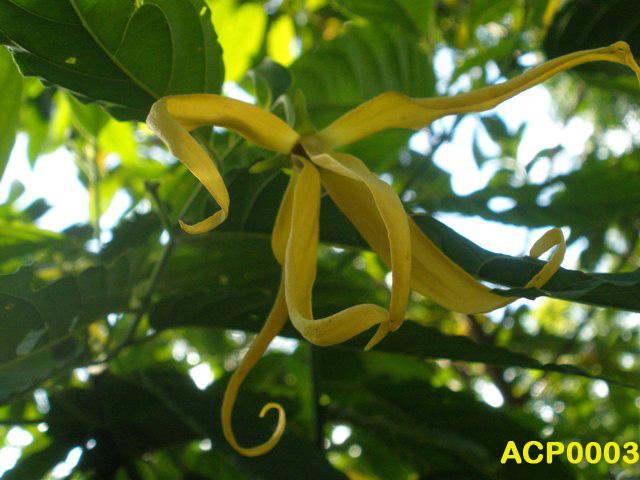
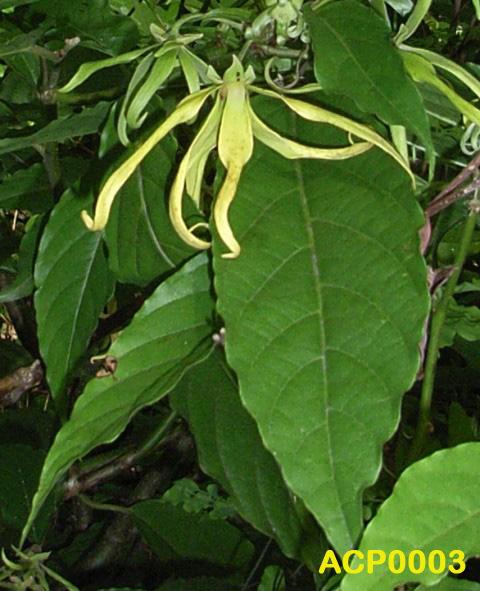
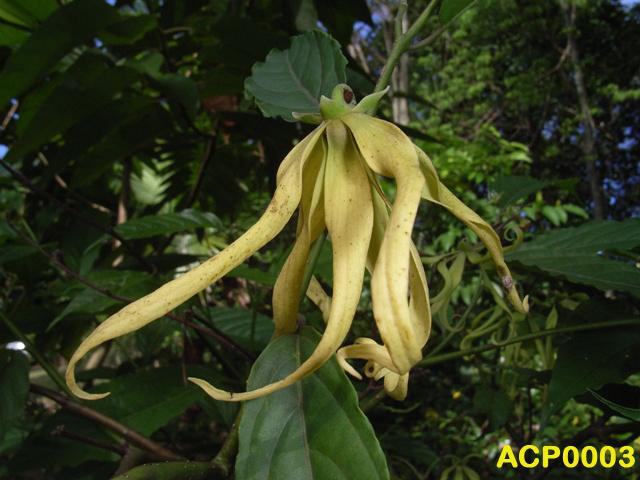
Reference IdACP0003
Species Name

Cananga odorata (Lam) Hook.f. & Thomson

 
Family NameAnnonaceae 
Local NameIlang-ilang, Ylang-ylang 
Photo  
Traditional UsageAfter childbirth, essential oil 
DescriptionMorphology: medium unbuttressed tree to 100 ft tall; leaves simple, alternate, oblong to broadly elliptic, apex acuminate, base rounded, pubescent on midrib or nerves on both sides or glabrous, midrib raised or flushed above; flowers in cluster and green  
Ecology Distribution 
Conservation StatusLeast Concerned 
Reference 
 
      1 2 3 4      
Hit Counter
Free Counter


Best resolution on 800x600 | Copyright © 2026, AgriBio Information System.