A B C D E F G H I J K L M N O P Q R S T U V W X Y Z
Agribio Database   Language : BM |  EN
Please enter the scientific name or local name
 
ZoneHerbs
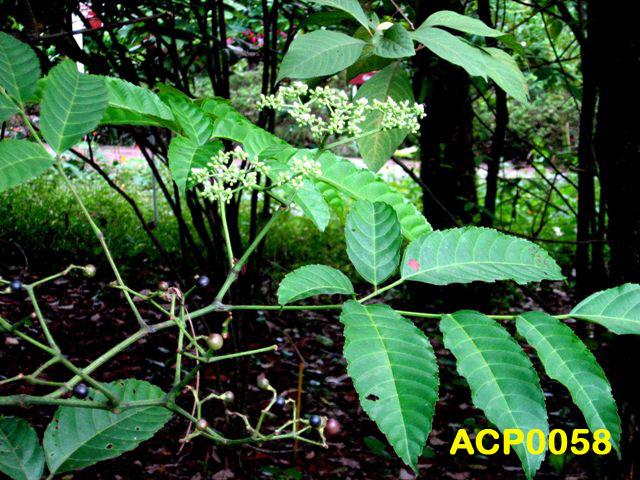
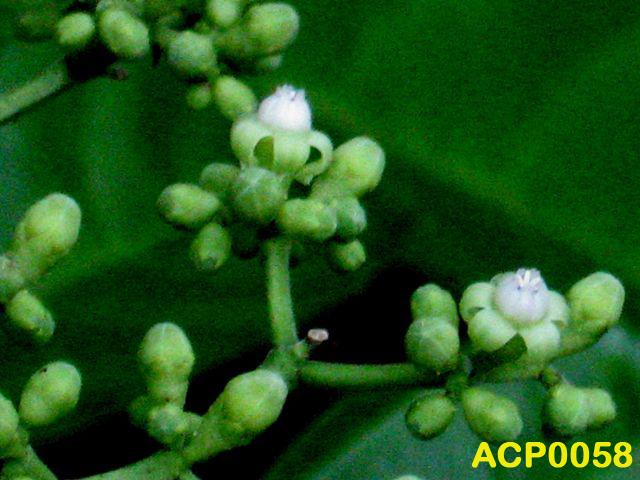
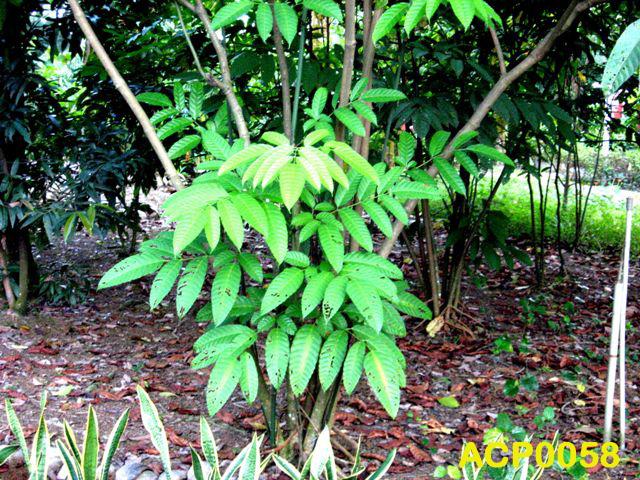
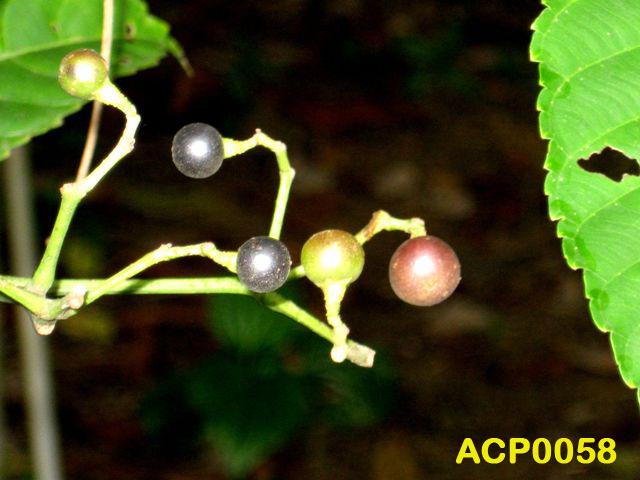
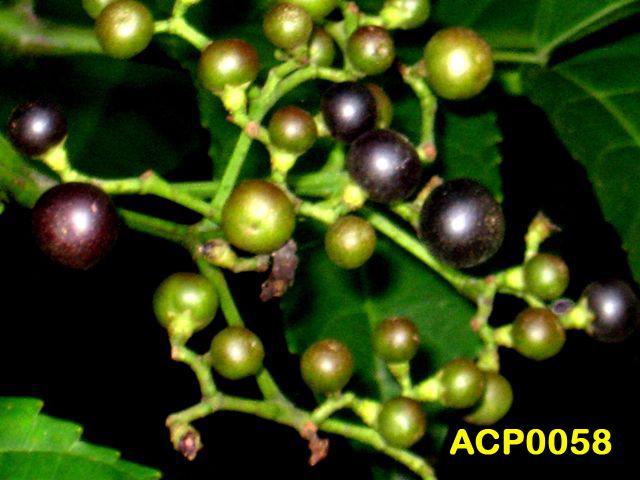
Reference IdACP0058
Species Name

Leea indica Merr.

 
Family NameLeeaceae 
Local NameCommon Tree Vine 
Photo  
Traditional UsageFever, After childbirth, Headache 
DescriptionMorphology: A tree about 10 m height. Stem glabrous to pubescent with 1-3 pinnate leaves. Petiole 6-35 cm long with obovate stipule. Young leaves ovate-oblong to ovate-lanseolate or elliptic to elliptic-lanseolate, glabrous to hairy. Serrate to dentate margin. Apex acute to acuminate, base cuneate to rounded. Petiole 25 mm, glabrous to pubescent. Peduncle 15 cm, flowers 5- merous, granny white colour.  
Ecology DistributionCommonly can be found in lowland forest from India to Polynesia. 
Conservation StatusLeast Concerned 
Reference 
 
ZoneHerbs
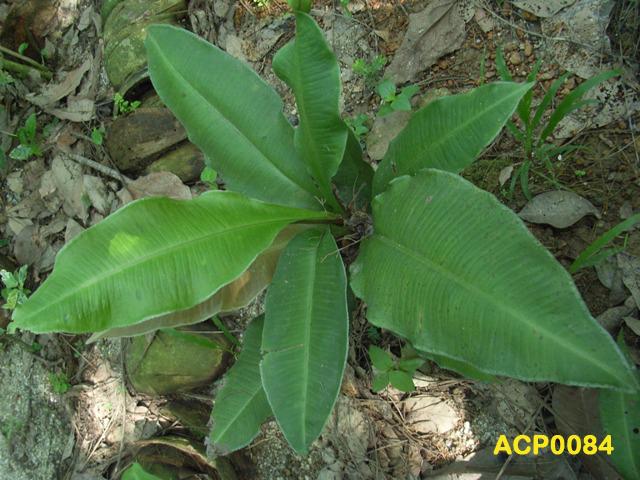
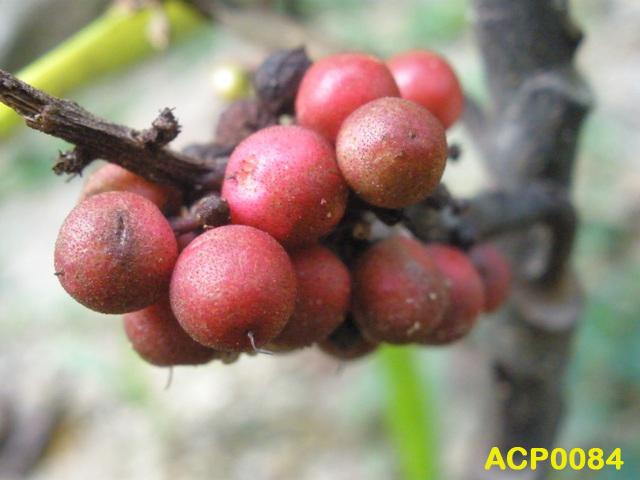
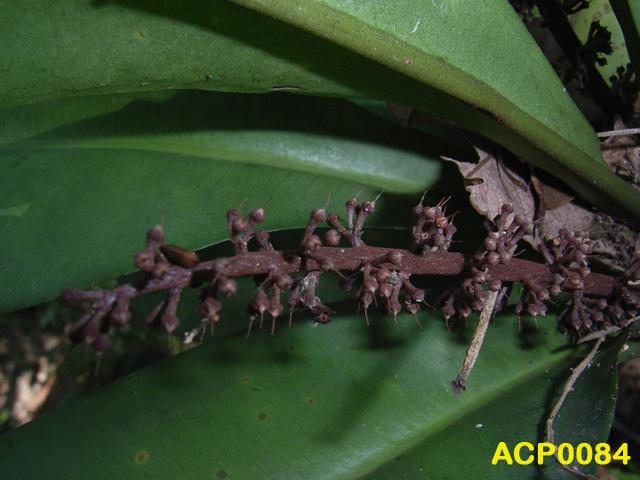
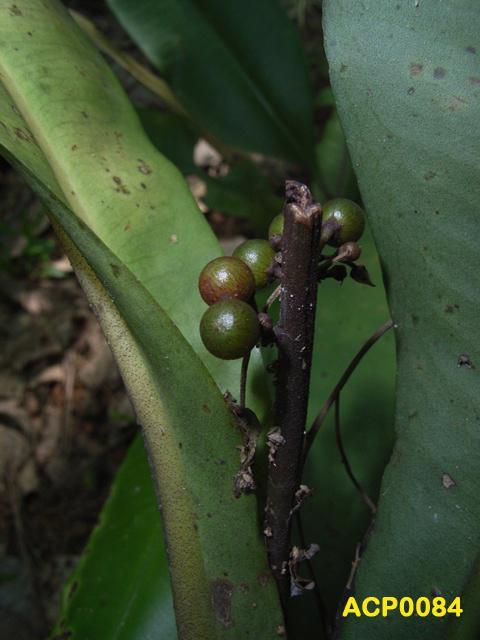
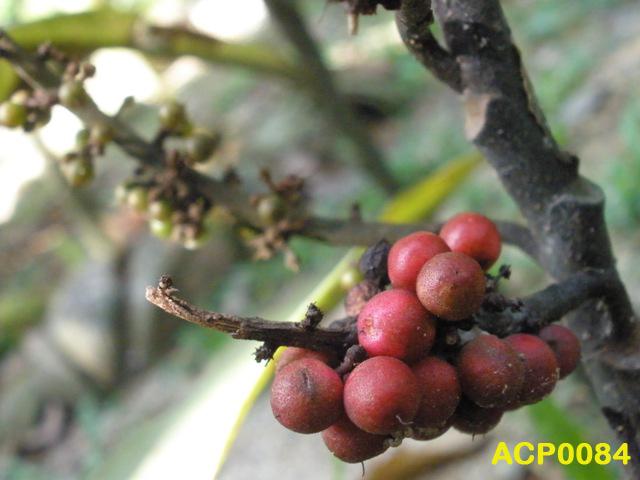
Reference IdACP0084
Species Name

Labisia pumila (Blume) Fern-Vill

 
Family NameMyrsinaceae 
Local NameKacip Fatimah 
Photo  
Traditional UsageTonic,after childbirth 
DescriptionMorphology: Slightly woody plant, some herbaceous undershrub up to 30-50 cm tall. Leaves lanseolate with slightly crenulated marginal. Abaxial surface brownish. Inflorescens in panicle with main peduncle about 5 cm long. Calyx triangle, corolla ovate acute and valvate.  
Ecology DistributionOriginated from Indo-China.Distributed in western Peninsula.  
Conservation StatusLeast Concerned 
Reference 
 
ZoneHerbs
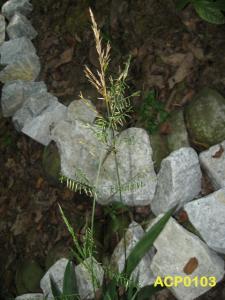
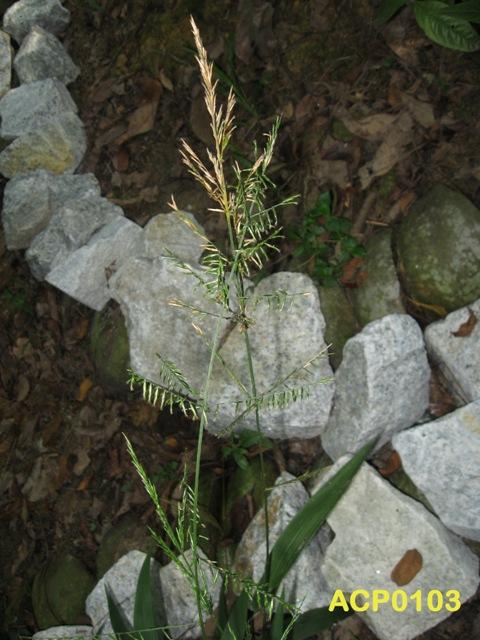
Reference IdACP0103
Species Name

Lophatherum gracile Brongn.

 
Family NameGraminae 
Local NameRumput Banyak Anak 
Photo  
Traditional UsageAs a tonic 
DescriptionMorphology: Grasses, swelling at the root.Leaves distichously alternate and simple, acuminate at apex, scabrous margin, smooth to hairy and short ligule. Inflorescence spike-like panicle in racemes. Spikelet on top with broadly lodicules. Fruit oblong-fusiform caryopsis.  
Ecology DistributionOccurs in mixed and shaded forest. Common in India, Sri Lanka, Burma, Indo-China up to Thailand and Japan and spread throughout to Malaysia.  
Conservation StatusLeast Concerned 
Reference 
 
ZoneHerbs
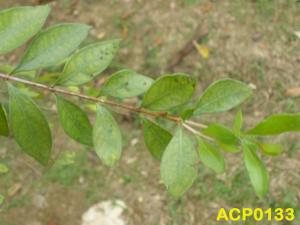
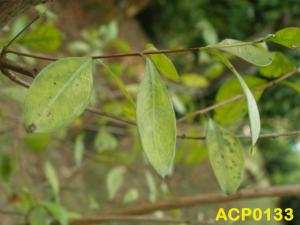
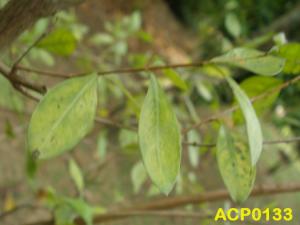
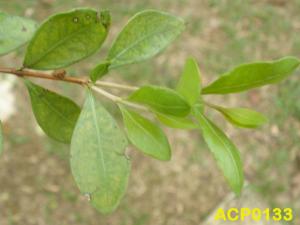
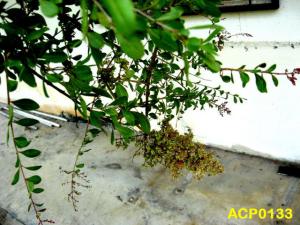
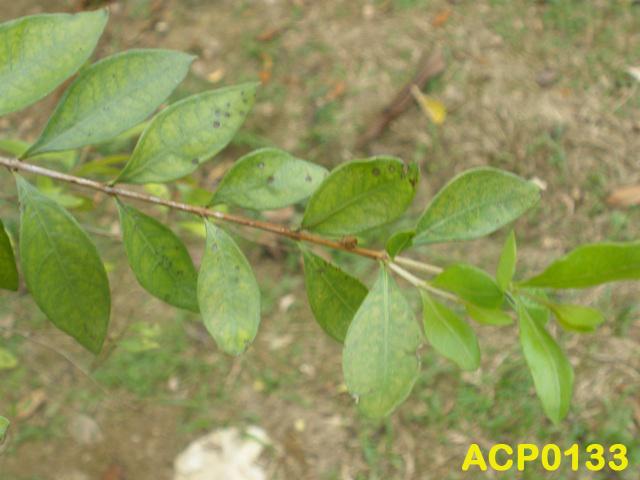
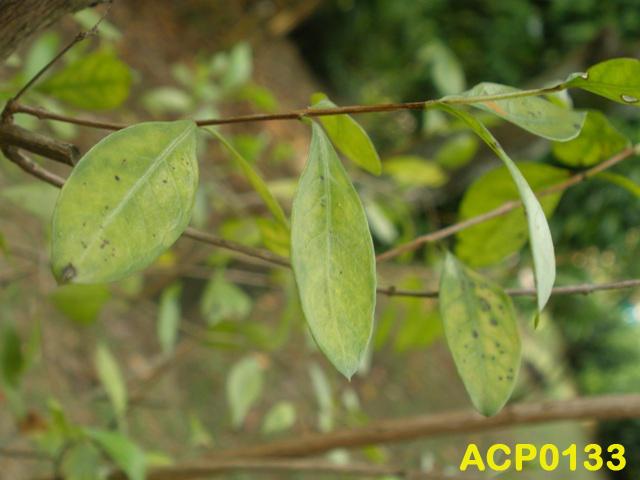
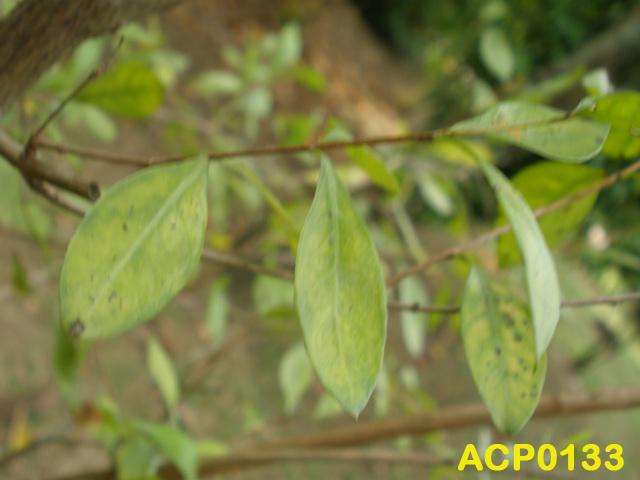
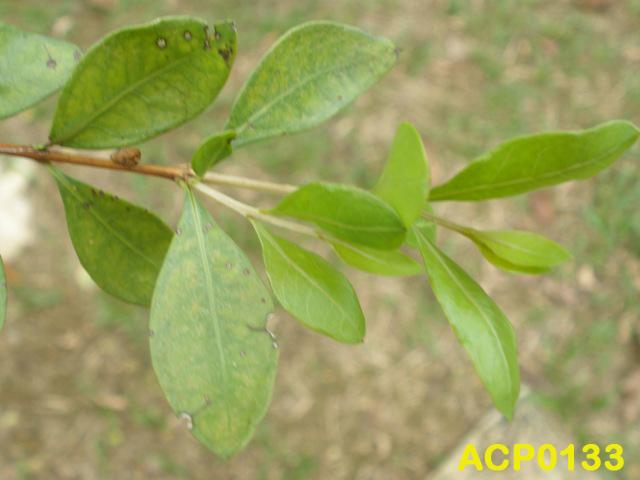
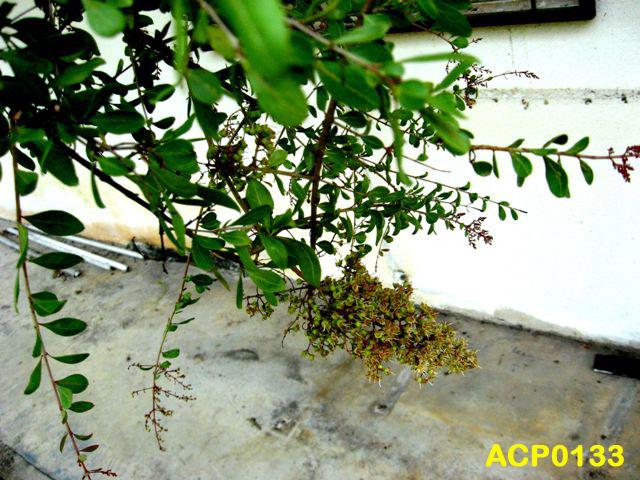
Reference IdACP0133
Species Name

Lawsonia inermis L.

 
Family NameLythraceae 
Local NameHenna, Mignonette Tree 
Photo  
Traditional UsageToenails wound, after childbirth, colouring 
DescriptionMorphology: A tall shrub or small tree, 2–6 m high,glabrous and multibranched. Leaves are opposite, entire, glabrous, elliptical, and broadly lanceolate to acuminate. Leaves gradually yellow. Henna flowers have four sepals and a 2 mm calyx tube. Petals are obovate, white or red stamens. Fruits are small and brownish capsules.  
Ecology DistributionNative of Asia from western edge of India westwards.  
Conservation StatusLeast Concerned 
Reference 
 
ZoneHerbs
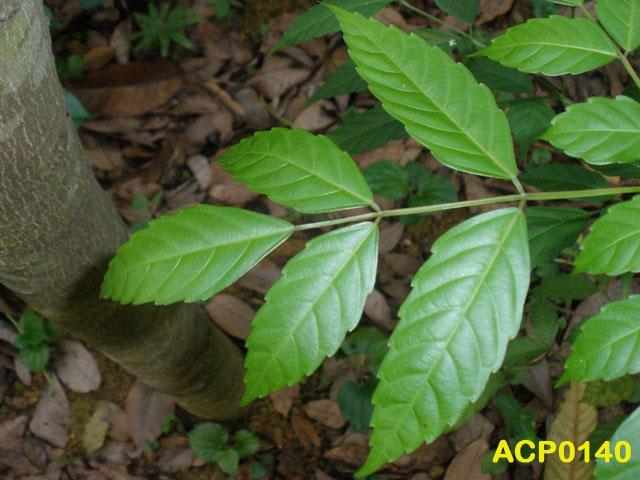
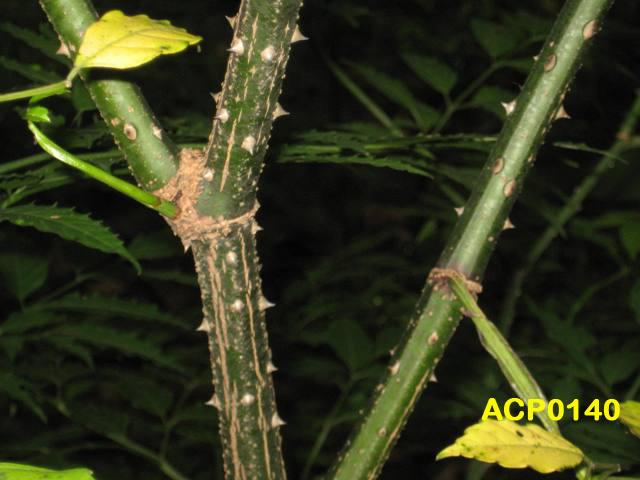
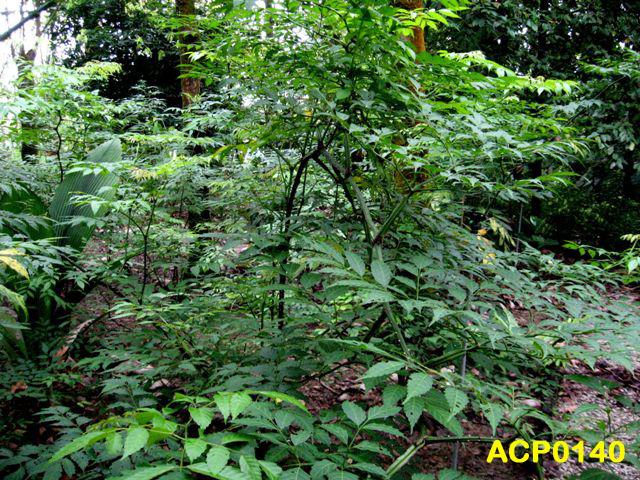
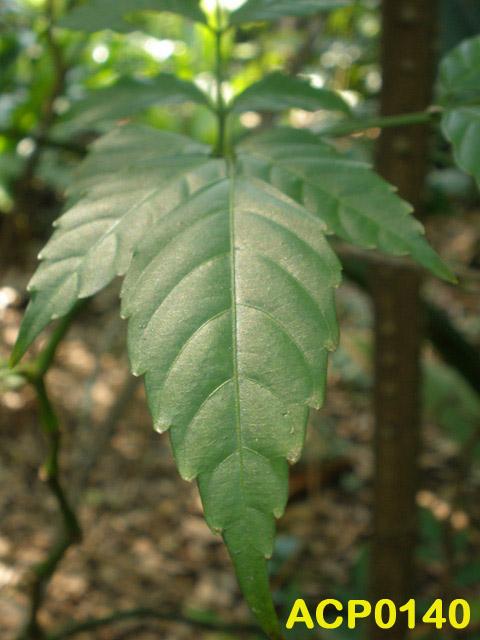
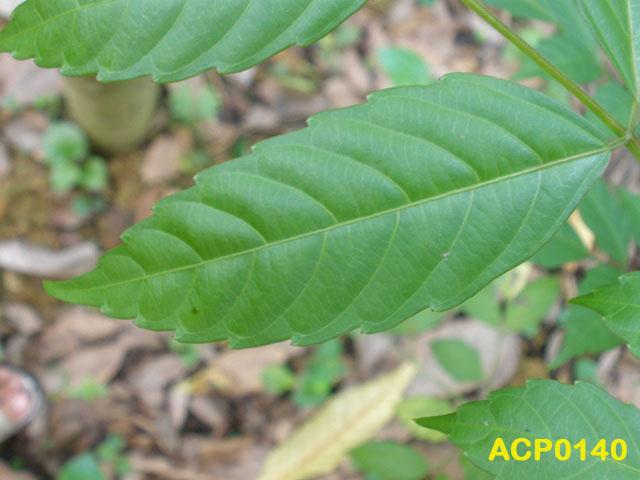
Reference IdACP0140
Species Name

Leea aculeata Blume ex Spreng

 
Family NameLeeaceae 
Local NameMemali Berduri, Mali-mali 
Photo  
Traditional UsageFever, after childbirth, headache 
DescriptionMorphology: Shrubs, herbs or small trees about 10 m tall. Leaves elliptic to oblong and glabrous. Apex acuminate with cuneate at the base. The veins of matured leaves yellowish with deltoid bract. Flowers whitish and the fruits blue blackish. There are short thorn on the stem. Ecological distribution: Found in the tropics of the Old World. 
Ecology Distribution 
Conservation StatusLeast Concerned 
Reference 
 
ZoneHerbs
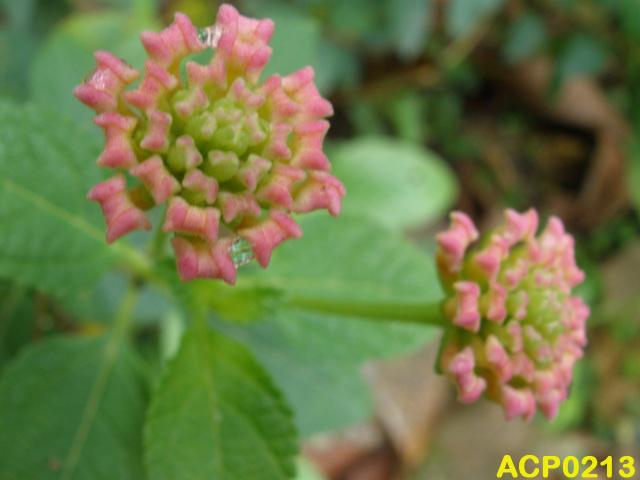
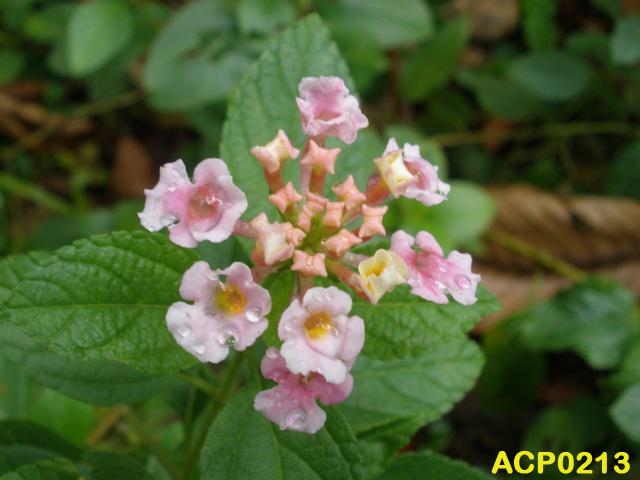
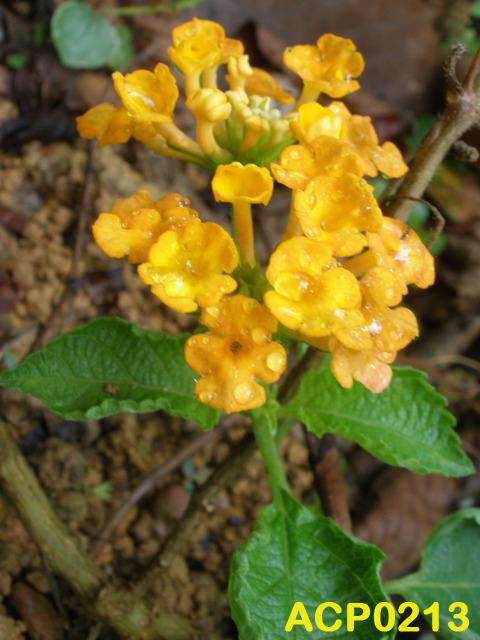
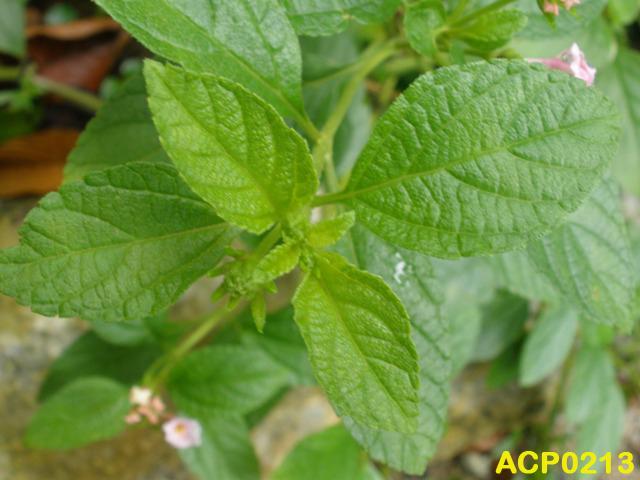
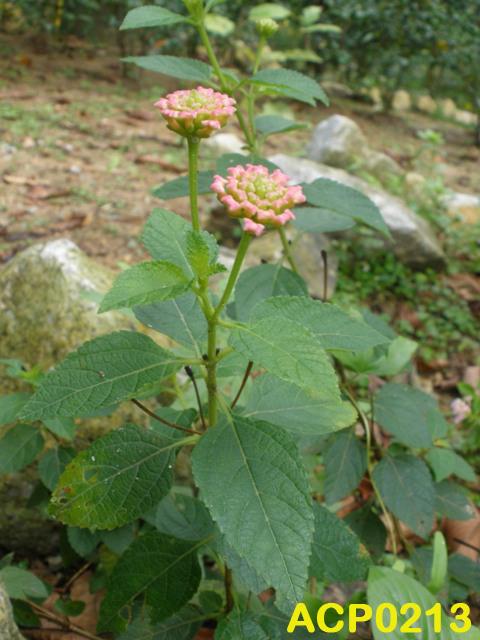
Reference IdACP0213
Species Name

Lantana camara L.

 
Family NameVerbenaceae 
Local NameSpanish Flag, West Indian Lantana 
Photo  
Traditional UsageTo treat small injury and fruits are edible 
DescriptionMorphology: Shrub or small herb. Growth in clumps and spreading. The color of the flowers are variety like pink, yellow or purple. Ecological distribution: Originated in tropical America. Mostly was introduced all over the world such as in Mexico, Venezuela up to Asia. Commonly found in lowland forest. 
Ecology Distribution 
Conservation StatusLeast Concerned 
Reference 
 
      1      
Hit Counter
Free Counter


Best resolution on 800x600 | Copyright © 2026, AgriBio Information System.